
Club Costa Tropical · The Journal
Posidonia in the Tropical Coast: the lung that is fading
In Motril, posidonia meadows have lost 23% of their area since 2010, according to the UGR. A vital ecosystem for fishing and the coast, now at critical risk. ## What is posidonia and why is it vital Beneath the crystal-clear waters of the Costa Tropical, between Motril and La Herradura, lies a
In Motril, posidonia meadows have lost 23% of their area since 2010, according to the UGR. A vital ecosystem for fishing and the coast, now at critical risk.
[[PHOTO:0]]
What is posidonia and why is it vital
[[PHOTO:1]]
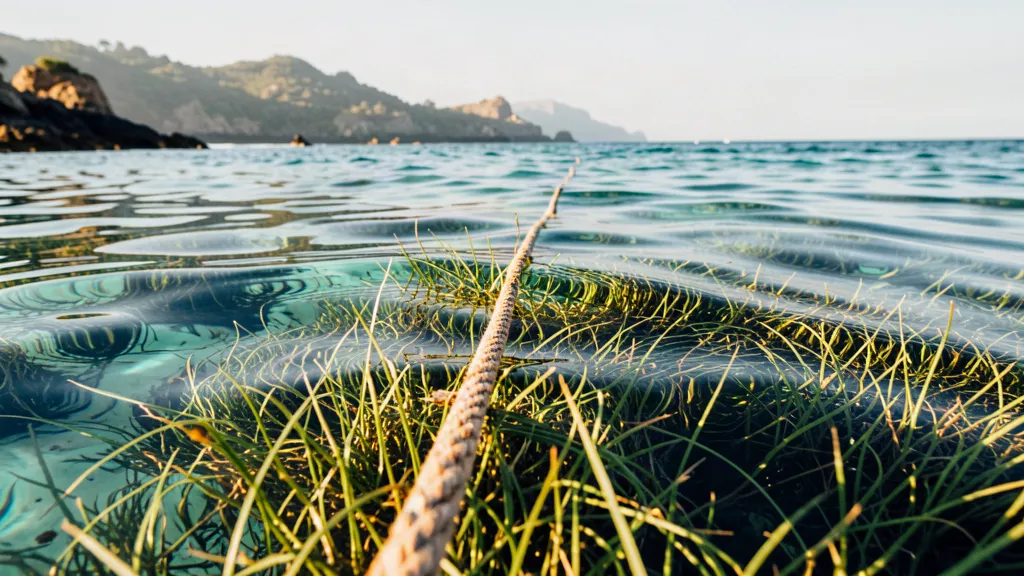
Beneath the crystal-clear waters of the Costa Tropical, between Motril and La Herradura, lies a submerged forest few bathers ever see. Posidonia oceanica
What is Posidonia and why is it vital
[[PHOTO:2]]
Beneath the surface of the crystal-clear waters of the Costa Tropical, between Motril and La Herradura, lies a submerged forest that few bathers ever come to know. Posidonia oceanica is not an alga, but a marine flowering plant, a higher plant with roots, stems, leaves, and flowers that lives only in the Mediterranean. This organism, which can live for thousands of years and form clonal colonies, constitutes the most relevant marine ecosystem in the basin, although its existence goes unnoticed by most.
The meadows formed by this plant act as a true underwater lung. Each square meter of posidonia generates up to ten liters of oxygen per day, while absorbing carbon dioxide from the atmosphere with far greater efficiency than terrestrial forests. Studies by the research group at the University of Granada have mapped approximately 2,500 hectares of these meadows along the Granada coastline, with densities that vary according to depth and water quality.
The structure of this plant is surprisingly complex. Its roots anchor into the sandy bottom, forming a network of rhizomes that stabilizes sediments and prevents coastal erosion. Its leaves, of an intense green that can reach one meter in length, grow in vertical clusters that sway with the current, creating a three-dimensional refuge for hundreds of species. This plant framework not only protects the coastline from storms but also constitutes the breeding and feeding habitat for numerous fish, mollusks, and crustaceans of commercial interest.
Posidonia's capacity to capture carbon is one of its best-kept secrets. When the leaves die, they detach and fall to the bottom, where they become buried under layers of sediment without fully decomposing. This process, repeated over centuries, has created organic carbon deposits that remain stored for millennia. Scientists calculate that one hectare of meadow can retain the equivalent of the annual emissions of several hundred automobiles, a fact that takes on special relevance in the fight against climate change.
On the Costa Tropical, the presence of this plant is especially significant for its role in the regeneration of fishing grounds. The meadows act as natural nurseries where the juveniles of species such as red mullet, gilthead seabream, or octopus find protection from predators. The artisanal fishing of the region depends to a large extent on these ecosystems, which guarantee the renewal of the marine resources that sustain the local economy. Without the meadows, the biodiversity of the coastline would be drastically reduced and catches would decrease considerably.
The flowering of posidonia is another of its distinctive features, a little-known phenomenon that occurs under very specific conditions. Its flowers, tiny and greenish in color, emerge among the leaves during autumn and give rise to floating fruits that ancient sailors called "sea olives." This sexual reproduction is fundamental for the genetic diversity of the meadows, although in most cases the plant expands vegetatively, growing barely a few centimeters per year. This slowness in its growth makes it especially vulnerable, since any damage can take decades to recover from.
The ecological value of posidonia transcends the purely biological. Its dead leaves, carried by currents to the beaches, form the so-called "banquettes" that many consider waste. However, these plant remains are essential for the stability of sandy shores, as they act as a natural barrier against erosion and provide organic matter to dune ecosystems. The systematic removal of these remains, a common practice on many tourist beaches, weakens the natural protection of the coastline and alters the sedimentary balance.
The data collected by the Granada researchers reveals that the density of the meadows on the Costa Tropical is not uniform. The healthiest areas are found off the cliffs of Cerro Gordo and in the marine strip of Calahonda, where lower human pressure allows optimal development of the plant. In contrast, the areas near the ports of Motril and the submarine outfalls show clear signs of regression, with clearings on the seabed that evidence the progressive disappearance of vegetation.
The transparency of the water is a determining factor for the survival of posidonia, which needs sunlight to carry out photosynthesis. Organic pollution and discharges increase water turbidity, preventing light from reaching the deepest leaves and causing the slow death of the plant. This process, known as "shading suffocation," is one of the most silent threats facing the species on the Granada coastline, where episodes of turbid waters have increased in recent decades.
The protection of these 2,500 hectares is not an environmentalist whim, but a strategic necessity for the future of the coast. Posidonia meadows act as carbon sinks, coastal stabilizers, and natural nurseries for commercial species, functions that no other ecosystem can perform in the Mediterranean. Their disappearance would not only impoverish the natural heritage of the province but would also compromise the safety of the beaches against rising sea levels and the intensification of storms associated with climate change.
The Silent Decline: Data from UGR and CEI.Mar
[[PHOTO:3]]
The numbers leave no room for ambiguity, even though the sea insists on hiding them beneath a mantle of turquoise blue. A joint report by the University of Granada (UGR) and the Campus of International Excellence of the Sea (CEI.Mar), presented in early 2025, certifies that the extent of Posidonia meadows on the Costa Tropical has been reduced by 23% over the last fifteen years. The figure, drawn from a comparison of satellite imagery and underwater censuses conducted between Motril and La Herradura, paints a picture of constant regression that researchers had been warning about for years in their technical publications.
The loss of surface area, however, is only the tip of the iceberg. The same study reveals that the density of shoots per square meter, the indicator that measures the plant's real health, has fallen by 35% in such significant enclaves as Calahonda or Castell de Ferro. This means that the meadows that survive do so in a state of extreme fragility, with specimens more separated from one another and a reduced capacity to reproduce and consolidate the marine sediment. The biologists consulted explain that a decimated meadow loses its function as a natural nursery for species and becomes more vulnerable to storms, which easily tear out the rhizomes left exposed.
The Posidonia Surveillance Service, dependent on the Junta de Andalucía, has sought to emphasize the causality of this decline. Its 2025 report attributes 60% of the affections detected in the meadows of the Granada coastline to human pressure, with recreational boat anchoring and port dredging as the main destructive agents. Anchors, dragging along the bottom, open furrows that take decades to heal, while sand extraction operations completely churn up the seabed and bury the colonies closest to the coast under tons of sediment.
The data collected along the Granada coastline does not constitute an isolated case, but rather fits into a worrying trend affecting the entire Spanish Mediterranean arc. Nevertheless, UGR researchers stress that the Costa Tropical presents a specific aggravating factor: the combination of rugged underwater topography with growing tourist pressure in coves of difficult access. In places like Playa del Cañuelo or the Maro cliff, where Posidonia forms veritable underwater forests, patterns of illegal anchoring have multiplied during the summer months, despite awareness campaigns.
The scientific community has long been warning that the loss of Posidonia is not merely an aesthetic or abstract ecological problem. Each hectare of destroyed meadow releases into the atmosphere the carbon that the plant had sequestered for centuries, a process that experts describe as a climate time bomb. Furthermore, the disappearance of these seabeds leaves beaches without natural protection, as they lose the vegetal cushion that buffered the force of the waves and retained the sand, thereby accelerating the coastal erosion processes that already threaten several urban centers along the Granada coastline.
The scientific community has long been warning that the loss of Posidonia is not merely an aesthetic or abstract ecological problem. Each hectare of destroyed meadow releases into the atmosphere the carbon that the plant had sequestered for centuries, a process that experts describe as a climate time bomb. Furthermore, the disappearance of these seabeds leaves beaches without natural protection, as they lose the vegetal cushion that buffered the force of the waves and retained the sand, thereby accelerating the coastal erosion processes that already threaten several urban centers along the Granada coastline.
The UGR and CEI.Mar report does not limit itself to diagnosing the illness, but also points to the remedies that should be applied urgently. Among the proposed measures are the expansion of existing marine reserves, the installation of ecological mooring buoys in the most frequented coves, and the creation of an active restoration program that would allow the most degraded areas to be replanted using shoot transplant techniques. The study's authors warn, however, that any recovery strategy will be useless if the reduction of agricultural discharges reaching the sea through the ramblas is not addressed simultaneously, a factor that the report identifies as the second major culprit in the deterioration of water quality.
Public administrations have received these data with a mixture of concern and caution, aware that the protection of Posidonia often clashes with economic interests that are difficult to reconcile. Meanwhile, scientists continue their surveillance work, diving each month into the waters of Calahonda and Castell de Ferro to measure, count, and photograph the slow retreat of an ecosystem that is fading without making a sound. The next update of the census, scheduled for spring 2026, will determine whether the measures adopted so far have managed to stem the hemorrhage or whether, on the contrary, the silent decline continues its relentless course.
Anchoring and moorings: scars on the seabed
[[PHOTO:4]]
Iron does not understand biology. Every time a vessel drops its anchor over a seagrass meadow of Posidonia, the dull thud against the seabed tears out rhizomes that have taken centuries to consolidate. The furrow left by the anchor as it drags, along with the turning of the chain, opens linear wounds in the seabed that from the surface look like pale scars on a green mantle. On the Costa Tropical, the port of Motril and the coves of Almuñécar concentrate the highest anchoring pressure in the entire province, and their waters hold the memory of each of those blows.
The data managed by the University of Granada does not invite optimism. A recent study by the Marine Ecology research group quantifies that 15% of the Posidonia meadows on this coastline show visible damage directly attributable to anchors. The figure, translated into surface area, means entire hectares of a protected ecosystem losing density and regeneration capacity. The particularity of Posidonia is that its growth is extremely slow, barely a few centimeters per year horizontally, which turns every wound into a decades-long sentence.
The comparison with other Mediterranean regions is inevitable and, at the same time, uncomfortable. In the Balearic Islands, where nautical pressure is infinitely greater due to tourist influx, the implementation of a surveillance and buoy-marking program has managed to reduce anchoring over seagrass meadows to 6.4%. That autonomous community opted to install ecological mooring buoys at the most sensitive points and a surveillance fleet that deters sailors from dropping anchor where they should not. In Granada, however, there is no equivalent program protecting the seabeds of the Costa Tropical.
Ecological mooring buoys, which consist of fixed deadweights on the bottom with a mooring line to the surface, allow vessels to secure themselves without touching the seabed. Their installation is relatively simple and their cost affordable, but it requires a political will that has not yet materialized on the Granada coastline. Sailors who call at coves such as El Muerto or La Herradura beach find an open sea without mooring infrastructure, which pushes them to anchor over the seagrass meadows with no real alternative.
The problem is not only the direct action of the anchor, but the cumulative effect of the summer season. During the months of July and August, the coves of Almuñécar can host dozens of anchored vessels simultaneously, each one churning the bottom with its chain to the rhythm of the waves. The result is an area of continuous impact that prevents any attempt at natural recovery of the plant. UGR scientists have been documenting this phenomenon for years with aerial photographs and underwater censuses, and the images show a landscape of overlapping wounds.
The regeneration of a meadow damaged by anchoring is not a linear process. When the rhizome is torn out, the plant loses its grip on the substrate and the current ends up unearthing neighboring clumps, widening the initial scar. Studies conducted in other Mediterranean areas estimate that a meadow can take between thirty and one hundred years to recover its original density after severe damage, provided conditions are favorable. On the Costa Tropical, where pressure does not cease, that timeframe seems like a pipe dream.
The technical solution exists and is proven, but its implementation requires coordination between administrations. The port of Motril, as public infrastructure, could lead the installation of buoy fields in the most sensitive coves in its surroundings, while the Almuñécar City Council would have jurisdiction over its own beaches. The Junta de Andalucía, for its part, is responsible for environmental surveillance of protected areas, a competence that has so far been exercised with very uneven intensity along the Andalusian coastline.
Meanwhile, the seagrass meadows continue to accumulate scars. Each summer adds new marks to the seabed of the Costa Tropical, and the balance between nautical activity and ecosystem conservation always tips to the same side. The data from the Balearic Islands demonstrates that surveillance works when there is the will to apply it, but in Granada that will has not yet reached the bottom of the sea.
Extreme Heat: The Boiling Sea
[[PHOTO:5]]
The summer of 2025 was not just another one on the Granada coastline. The submerged thermometers of the University of Granada (UGR) monitoring network recorded peaks of 28 degrees on the water surface off the Costa Tropical, two degrees above the historical average for these months. The anomaly is not a simple statistical data point: it is the thermal signature of a process that is rewriting the rules of underwater life.
The heat does not stay on the skin of the sea. Sensors from the Biodiversity Ecology and Management Group (GEN-GOB) in Ibiza have confirmed that the 2025 warming penetrated down to the deepest meadows, a phenomenon that until a decade ago was considered unlikely. On the Costa Tropical, the mass of warm water acts like a blanket that prevents the mixing of nutrients and alters the delicate chemical balance that Posidonia needs to carry out photosynthesis.
When water temperature exceeds the plant's comfort thresholds, its metabolic machinery suffers. The photosynthesis rate drops, growth slows down, and tissues become more susceptible to pathogens that under normal conditions would not pose a threat. It is a domino effect that turns Posidonia into an immunocompromised patient, exposed to infections that can decimate entire meadows in a matter of weeks.
UGR scientists have been warning for years that the western Mediterranean is becoming a climate change hotspot. Projections for 2026 point to marine heatwaves — those episodes in which water temperature spikes far above normal for days or weeks — becoming more frequent and longer-lasting. Each event leaves a scar on the ecosystem that takes years to heal, if it heals at all.
Thermal stress does not act alone. The combination of warmer waters with the pressure of anchoring and coastal pollution creates a scenario of extreme fragility for the meadows. Disease outbreaks, such as the tissue necrosis affecting the leaves, find in heat a perfect ally to spread rapidly among weakened colonies.
Posidonia is a slow-growing plant, a trait that makes it especially vulnerable to sudden changes. A single square meter of meadow can take decades to fully regenerate, and each extreme summer represents a step backward in that process. Researchers compare the situation to a long-distance runner receiving constant blows: each impact prevents him from catching his breath before the next assault.
The boiling sea is not a metaphor. It is the literal description of what happens when surface temperatures remain for weeks at values that were previously only reached in isolated episodes. The 2025 data confirms that the trend is accelerating, and the meadows of the Costa Tropical, that submerged forest that provides so many benefits to fishing and tourism, are paying the price for a warming that knows no borders.
Invasive algae: the Asian competitor
[[PHOTO:6]]
The seabed of the Costa Tropical is no longer an exclusive stage for its native species. For a decade, two silent visitors from the Indian and Pacific Oceans have begun rewriting the rules of the ecosystem: Caulerpa cylindracea and Rugulopteryx okamurae. Both traveled thousands of kilometers attached to ship hulls or in ballast water, and have found in the waters of Granada a perfect breeding ground for their expansion.
Rugulopteryx okamurae, native to the coasts of Korea and Japan, is the one generating the greatest concern among marine biologists. The latest censuses from the University of Granada (UGR) have detected consolidated patches of this brown alga in posidonia meadows between the port of Motril and the bay of La Herradura. Its strategy is as simple as it is lethal: it grows at a dizzying pace, forms dense carpets on the seabed, and directly competes for the space and nutrients that posidonia needs to carry out photosynthesis.
The invasion mechanism is subtle but devastating. While posidonia reproduces slowly and requires stable conditions to thrive, Rugulopteryx colonizes any available substrate, whether rock, sand, or even the leaves of the native plant itself. Researchers from the CEI.Mar project, coordinated by the alliance of Andalusian universities, have documented how these algae form a layer that prevents sunlight from reaching the lower leaves of the meadow, causing its progressive necrosis.
Caulerpa cylindracea, for its part, acts more stealthily. This green alga, first detected in the Mediterranean in the nineties, spreads through underground stolons that weave an invisible network beneath the surface. Its ability to adapt to different depths and temperatures makes it a formidable competitor, capable of establishing itself even in areas where posidonia is already weakened by other factors such as anchoring or rising water temperatures.
Data collected in the 2025 oceanographic campaign reveal an alarming trend: Rugulopteryx patches have increased their surface area by 40% in just two years along the coastal stretch between Salobreña and Almuñécar. This exponential growth not only affects posidonia but alters the entire trophic chain of the ecosystem, since many species of fish and crustaceans that depend on the meadows for shelter and food do not recognize these algae as suitable habitat.
Faced with this threat, the CEI.Mar project has launched research lines combining mechanical and biological control methods. Preliminary trials with manual biomass removal have shown some effectiveness in reduced areas, although scientists warn that this technique is unfeasible on a large scale due to its high economic and logistical cost. Extracting Rugulopteryx requires specialized divers who pull the plant from its rhizome, a meticulous operation that must be repeated several times a year to prevent regrowth.
The biological route, although more promising, is still in the experimental phase. Researchers are studying the possible introduction of natural Asian predators that keep these algae in check in their original habitat, although extreme caution is exercised given the risk that the solution could generate a greater ecological problem. The alternative of using specific chemical compounds that inhibit the growth of invasive algae without harming posidonia is also on the table, but its application in open sea presents numerous technical challenges.
The scientific community agrees that prevention remains the most effective tool against these species. Hull cleaning protocols in marinas and commercial ports, as well as control of ballast water from ships arriving from Asia, are measures that could curb the arrival of new colonies. However, coordination between port authorities, maritime captaincies, and environmental agencies remains insufficient, and inspections are carried out irregularly.
Meanwhile, the sea continues its course and the Asian algae continue their unstoppable advance. Posidonia, that colossal organism that has survived glaciations and climate changes for thousands of years, now faces a competitor with no natural predators in the Mediterranean. The battle for the seabed of the Costa Tropical is fought in silence, without spotlights or cameras, but its consequences will determine the future of one of the most valuable ecosystems on the planet.
Fishing and Posidonia: Allies in Danger
[[PHOTO:7]]
The octopus camouflages itself among the leaves, the hake seeks refuge in its youth, and the cuttlefish deposits its eggs in the rhizomes. The meadows of Posidonia oceanica function as a natural nursery for dozens of commercial species, a link that the fishermen of Motril and Almuñécar know better than anyone. Studies from the University of Granada (UGR) have quantified what these sailors already sensed: the regression of the meadows has reduced catches by thirty percent over the last decade. This is not a coincidence, but a biological equation that now demands urgent attention.
The relationship between the fishing sector and the marine plant has historically been ambivalent. Trawl nets, now banned in shallow waters, caused irreparable damage for decades, but the artisanal fleet operating from the ports of Granada has found a silent ally in posidonia. Fishing grounds located over healthy meadows produce larger and more abundant specimens, a fact that local skippers verify every morning when checking their nets. The progressive disappearance of these habitats has forced vessels to move further from the coast, with the consequent increase in fuel costs and fishing time.
The testimonies collected by UGR researchers paint a bleak picture. A skipper from Motril, who has fished these waters for over forty years, recalls that it used to be enough to set the nets a few fathoms deep to obtain a decent catch. Now, the same operation requires sailing to depths of sixty meters, where posidonia no longer grows and biodiversity drops drastically. The red mullets, which once abounded among the meadows of the coastal strip, have become an increasingly elusive presence in the local fish markets.
The solution does not lie in pitting conservationists against fishermen, but in recognizing that they share a common interest. In the Balearic Islands, where tourist pressure has forced the search for innovative responses, fishermen's guilds actively participate in the network for spotting damage to the meadows. Whenever a boat detects a dragged anchor, a spill, or the presence of invasive algae, it reports it to the managers of the Natural Park. This model of citizen surveillance has proven its effectiveness and is now being considered for transfer to the Costa Tropical.
The creation of a fishing surveillance network in Granada is shaping up as the next logical step. The skippers of the guilds of Motril and Almuñécar, who know every bend of the seabed like the palm of their hand, could become the best allies for detecting early threats. Their empirical knowledge, accumulated over generations, would complement the scientific data collected by UGR teams during their periodic dives. Information about the health of the meadows would flow in both directions, creating a feedback loop beneficial to all.
The numbers support this collaborative strategy. The thirty percent reduction in catches not only affects the income of families that depend on fishing, but also compromises the food security of a region that has made its gastronomy a tourist attraction. The hake of the Costa Tropical, prized in Andalusian markets, owes its quality to the ecosystem that sustains it. Without healthy meadows, this flagship product would lose its natural habitat and, with it, its identity.
The fishermen's guilds, far from opposing protection measures, have begun to demand them. The Balearic experience shows that when fishermen are given an active role in management, they become the first defenders of the ecosystem that feeds them. The difference between a fisherman who razes the seabed and one who protects it lies not in their character, but in the incentives they receive. A well-managed fishing ground produces long-term benefits, while overexploitation only offers immediate and fleeting gains.
The project to create this surveillance network in Granada is in the design phase, with preliminary meetings between the UGR, the guilds, and the Junta de Andalucía. The fishermen, who for years have watched decisions about their future being made without consulting them, view positively the invitation to participate. Trust, that intangible asset that has so often been lacking in the relationship between administration and sector, could be the true driver of change.
Posidonia does not understand administrative borders or jurisdictional disputes. It grows where conditions are favorable, and disappears when the environment becomes hostile. The fishermen of the Costa Tropical, who have observed its decline for years, know that their survival is tied to that of this ancient plant. The question is no longer whether they should become involved in its conservation, but how much longer they can wait for the administrations to act with the urgency the situation demands.
Divers and Citizen Science: The Eyes of the Sea
[[PHOTO:8]]
Light degrades with depth, but the trained gaze of a diver needs no clarity to detect what does not fit. In the diving clubs of Almuñécar, Motril, and La Herradura, Saturday morning activity is no longer limited to the logistics of tanks and wetsuits. Since 2023, dozens of volunteers have been participating in the 'Posidonia Viva' project, an initiative of the University of Granada that turns every recreational dive into an underwater surveillance patrol.
The mechanics are simple on paper, but they require a discipline that not all enthusiasts possess. Before submerging, each volunteer receives a waterproof card with the species they must identify and an action protocol for any anomaly. During the dive, attention is divided between the landscape and the mission: noting the position of an invasive algae patch, photographing an anchor that has destroyed several clumps of posidonia, or recording the presence of ghost nets tangled in the rhizomes.
The Center of Excellence in Marine Research (CEI.Mar) has trained forty divers in the precise identification of species, a number that project coordinators still consider insufficient to cover the 27 kilometers of coastline separating La Herradura from Calahonda. The training includes theoretical sessions on the biology of Posidonia oceanica and practical workshops where participants learn to distinguish it from other algae that can be confused at first glance.
The data provided by these anonymous watchmen has proven to be a valuable complement to academic studies. During the 2025 season, collaborating divers recorded 150 sightings of Rugulopteryx, the Asian algae that colonizes the seabed with alarming speed. Each of those sightings, geolocated and dated, allows researchers from the UGR marine ecology group to draw a much more detailed expansion map than they could obtain with their limited sampling resources.
The relationship between the university and the diving centers is not new, but it has acquired a more structured dimension with this project. The clubs provide the boats and logistics, while scientists handle data analysis and the return of results to participants. This feedback is essential for maintaining the motivation of volunteers who dedicate hours of their free time to a cause that, at times, seems to be fought on a stage invisible to most of the population.
Citizen science has, however, its limitations. Divers cannot remain on the bottom for more than forty or fifty minutes, and their observational capacity is conditioned by water visibility, which on the Costa Tropical varies considerably depending on the time of year. Despite these restrictions, the information they provide has made it possible to detect mechanical damage to the meadows that satellite studies cannot appreciate, such as the marks left by the chains of boats anchored in non-designated areas.
The awareness generated by this active participation is perhaps the most difficult effect to quantify, but also the most lasting. A diver who has spent weekends counting invasive algae patches no longer looks at the sea with indifference. That transformation of gaze extends to their families, their friends, and ultimately to the community living along the coastal strip where these underwater meadows fight their silent battle.
The leaders of the 'Posidonia Viva' project are already working on expanding the program for 2026, with the intention of incorporating the diving centers of the neighboring province of Almería and creating an early warning network that operates in a coordinated manner along the entire Andalusian coastline. The expansion will depend on available funding, but accumulated experience shows that the human infrastructure already exists and is ready to keep submerging into the murky waters of environmental surveillance.
Coastal protection: the shield against storms
[[PHOTO:9]]
The sea struck with fury last winter. When storm 'Gloria' unleashed its full force on the Granada coastline, the seafront promenades of Motril and Salobreña suffered millions in damages. Waves exceeded four meters in height and the wind lifted sand up to the balconies of first-line buildings. But not the entire coastline held up equally.
The coastal stretches where Posidonia oceanica meadows maintain high density presented noticeably lesser damage. Coastal engineers confirmed this weeks later when inspecting the breakwaters and seawalls: where the marine plant forms a vegetal cushion, wave energy dissipates before reaching urban infrastructure. Nature had built its own breakwater, silent and free.
The University of Granada has quantified this effect with mathematical precision. Its simulation models indicate that a fifty percent loss of current meadows would increase coastal erosion by forty percent. The figures take on real dimension when translated into meters of beach lost and building foundations exposed to the marine onslaught.
The protection mechanism is complex but fascinating. The long, flexible leaves of posidonia slow water velocity in the upper layers, while the rhizomes and roots hold the sediment on the seabed. This double effect reduces the effective wave height and prevents sand from being dragged out to sea during storms. The plant acts as an integrated defense system that works around the clock.
Municipal technicians of the Costa Tropical have begun to understand that each hectare of posidonia equals meters of seawall. The economic comparison is revealing: maintaining a healthy meadow costs a minimal fraction of what it takes to rebuild a seafront promenade after a storm. Public budgets, however, continue to allocate millions to repairing damage rather than investing in marine conservation.
The phenomenon is not exclusive to Granada. Studies conducted along the Spanish Mediterranean coast demonstrate that beaches backed by dense meadows lose between thirty and fifty percent less sand during strong wave events. The difference is visible even to the casual observer: coves with posidonia retain their sandy profile, while beaches devoid of underwater vegetation show erosion scarps of more than one meter.
Artificial beach regeneration, the solution administrations have historically applied, presents evident limitations. Each sand replenishment requires costly dredging and produces a temporary impact on the marine ecosystem. Posidonia offers a natural alternative that self-repairs and generates no waste or seabed disturbance. Coastal engineers are beginning to consider this variable in their shoreline defense projects.
The storms of 2025 have served as a warning. Storm 'Gloria' was not an isolated phenomenon but a foretaste of what may come with climate change. Rising sea levels and the greater frequency of intense storms will turn coastal protection into a growing challenge for the municipalities of the Granada coastline. Posidonia, that natural shield that has protected the coast for millennia, reveals itself as the most resilient infrastructure available.
Data collected by oceanographers after the last storm show that the meadows located in front of Motril's urban beaches have suffered partial damage. Anchors from recreational vessels and illegal trawling have opened gaps in the vegetal cover that now become weak points through which erosion penetrates inland. Each vegetation-free corridor represents an entry route for the waves.
The conservation of these meadows is not merely an ecological matter but also an economic and urban planning one. The municipalities of the region have begun to include the posidonia variable in their coastal management plans. Investments in ecological mooring buoys and signage for protected areas are ridiculously cheap compared to the reconstruction bills they have had to face this year.
The knowledge accumulated by the University of Granada now allows precise modeling of which coastal areas are most vulnerable. The risk maps produced by the marine ecology research group identify the stretches where posidonia loss would leave critical infrastructure unprotected, such as the port of Motril or water treatment plants. The information exists; what remains is for managers to use it.
The next decade will be decisive. If the meadows continue their decline at the current rate, storms that previously caused minor damage will become periodic catastrophes. The alternative lies in recognizing the strategic value of this plant and protecting it with the same diligence afforded to any public infrastructure. The shield against the storm already exists; it only needs us not to destroy it.
Blue Economy: The Hidden Value of Seagrass Meadows
[[PHOTO:10]]
Twelve million euros. That is the figure that CEI.Mar, the International Campus of Excellence of the Sea, attributes to the ecosystem services that the Posidonia seagrass meadows of the Costa Tropical generate each year. It is not a symbolic estimate or an exercise in creative accounting: it is the result of adding up what they contribute to fishing, dive tourism, coastal protection against storms, and carbon capture. The figure turns this plant into one of the most profitable and least recognized economic assets of the Granada coastline.
Diving in the seagrass meadows of Almuñécar alone generates around two million euros annually. The town's dive centers, which operate year-round thanks to the mild climate, sell hundreds of trips each summer to the seabed where Posidonia forms veritable underwater forests. The divers who glide over these meadows do not come only to see fish: they come to contemplate a living, moving ecosystem that breathes and sustains a biodiversity that in other parts of the Mediterranean is now only remembered in old photographs.
The relationship between the health of Posidonia and the local economy is not an academic abstraction. When a boat anchors over a meadow and tears out the rhizomes with its anchor, it not only destroys decades of plant growth: it also eliminates the refuge where hake and red mullet juveniles develop before reaching commercial size. Every square meter of lost meadow translates into fewer catches for the artisanal fleet of Motril or Castell de Ferro, and into less income for the fishermen's guilds that already carry years of difficulties on their backs.
Coastal protection is another chapter that economists have put into numbers. The meadows act as a natural breakwater that dissipates wave energy before it reaches the shore. On a coastline where tourism represents the main economic engine, every meter of beach preserved thanks to Posidonia is a meter that does not require costly artificial regeneration works. Last winter's storms, which damaged several seafront promenades in the region, would have caused far greater devastation if the seabed did not have this vegetal barrier.
Carbon capture, the last major service these meadows provide, has a value that the market is beginning to recognize. Posidonia stores CO₂ in its rhizomes and in the marine sediment at a rate far higher than terrestrial forests. That sequestered carbon, which remains trapped for centuries, has become a valued asset in emissions markets. The meadows of the Costa Tropical, which extend over more than 3,000 hectares, represent a carbon sink whose disappearance would release tons of gases into the atmosphere that today remain immobilized.
Investment in conservation, according to CEI.Mar's calculations, has a return of three euros for every euro spent. That is, every euro allocated to protecting the meadows—whether through ecological mooring buoys, marine surveillance, or restoration of damaged areas—generates three euros in avoided or directly produced economic benefits. This profitability ratio exceeds that of many public investments in conventional infrastructure, and yet funding for Posidonia protection remains marginal in the budgets of local and regional administrations.
The blue economy, that concept that the European Union has turned into the banner of its maritime strategy, finds in the Costa Tropical a paradigmatic case study. It is not about choosing between conservation and development: it is about understanding that conservation is the prerequisite for development. A degraded seabed does not attract divers, does not feed the fish that fishermen catch, and does not protect the beaches that sustain the hotel industry. Posidonia is not an obstacle to the economy: it is its foundation.
CEI.Mar's data, however, have not yet been translated into decisive public policy. The meadows of the Costa Tropical still lack a specific management plan to regulate the anchoring of recreational boats, illegal trawling activity, or the discharges that reach the sea through the ravines. Science has done its job: it has put numbers to what was previously only an intuition. Now the decision falls to public managers, who must decide whether they want to protect an asset that returns three times what is invested or whether they prefer to continue ignoring the value of what cannot be seen from the surface.
Management and policies: what is being done and what is missing
[[PHOTO:11]]
The legal framework exists. For years, Posidonia oceanica meadows have been listed as a habitat of community interest in Annex I of the Habitats Directive, and the Andalusian Regional Government formally recognizes them as a protected habitat in its regional registry. On paper, the Costa Tropical has the necessary legal protection to safeguard its seabeds. Reality, however, falls short of that regulatory umbrella: there is no specific management plan that translates that classification into concrete measures on the ground in Granada.
That gap is noticeable in daily practice. While in other regions of the Spanish Mediterranean the administration has deployed active surveillance tools and action protocols for damage, here protection remains a declaration of intent. The result is reactive management, which acts when the damage is already done, rather than preventive management that anticipates threats. The difference between the two models is the difference between conserving and merely lamenting.
The port of Motril has taken steps in the right direction, albeit timid ones. The installation of ecological buoys for controlled mooring of vessels is a tangible advance, infrastructure that prevents anchors from tearing the plant's rhizome. But the scope of this measure reveals its inadequacy: those buoys only cover approximately ten percent of the mooring zones enabled along the coastline. Nine out of ten vessels seeking anchorage in the area still lack a safe alternative, and opt to drop anchor directly on the meadows.
The lack of coordination between administrations aggravates the problem. The port depends on the Port Authority, coastal management falls under the Coastal Demarcation, environmental jurisdiction belongs to the Andalusian Regional Government, and surveillance corresponds to the coastal municipalities. Four administrations with overlapping responsibilities and no common forum to articulate their actions. Each acts within its own sphere, and the posidonia, which understands nothing of administrative boundaries, remains unprotected at the borders of jurisdiction.
The contrast with the Balearic Islands is revealing. There, the Posidonia Surveillance Service, under the regional department of Agriculture, Fisheries and Natural Environment, has managed in recent years to significantly reduce illegal anchoring on meadows. It is not a matter of sophisticated technology or an exorbitant budget: it is a coordinated surveillance team with an effective presence in the water during the high season and real sanctioning capacity. An operational model that demonstrates that political will, more than resources, is the determining factor.
Replicating that scheme on the Costa Tropical would not require an administrative revolution. A cooperation agreement between the Andalusian Regional Government and the municipalities of Motril, Almuñécar and Salobreña to establish a maritime surveillance service during the months of greatest nautical pressure would suffice. The investment would be modest compared to the economic value that the ecosystem services of the meadows provide to the area, estimated at millions of euros per year according to CEI.Mar studies.
The processing of a specific management plan for the Costa Tropical meadows should be a priority, but the file has been sleeping in administrative drawers for years. Meanwhile, pressure on the ecosystem does not cease: illegal anchoring, occasional discharges and the proliferation of invasive algae continue their silent advance. Every season that passes without an active management framework is a lost season for conservation.
Civil society has tried to fill part of that gap. Local diving associations have repeatedly denounced the visible damage to the meadows, and some nautical clubs have promoted awareness campaigns among their users. But private initiative cannot replace the public obligation to protect a habitat declared of community interest. The ultimate responsibility lies with the administrations, and their inaction has a cost measured in square meters of lost meadow.
Next year will be decisive in determining whether institutional declarations translate into action. The Andalusian Regional Government has on the table the possibility of promoting that management plan, providing resources to the surveillance service, and establishing inter-administrative coordination mechanisms. These are decisions that do not require major legal reforms, but executive will. The posidonia of the Costa Tropical does not need more declarations of good intentions; it needs someone to assume the responsibility of managing its protection with the same seriousness with which any other public infrastructure is managed.
Until that decision arrives, the meadows will remain exposed to a risk that could be avoided with reasonable measures. The scientific knowledge about what to do is available, successful examples exist in other autonomous communities, and social demand for environmental protection grows every year. What is missing is the piece that articulates everything else: an administration that assumes the active management of a natural heritage that cannot defend itself alone.
Climate change: the future by 2050
[[PHOTO:12]]
The most rigorous climate models paint a troubling scenario for the Granada coastline. Projections developed by the University of Granada and CEI.Mar indicate that, if global emissions are not drastically reduced, the sea surface temperature in the Costa Tropical could rise by 2.5 degrees Celsius by 2050. That figure, seemingly modest, would completely transform living conditions on the seabed.
Warming will not be a gradual and uniform process, but rather marked by extreme episodes. Marine heatwaves, phenomena that until two decades ago were considered exceptional, will become increasingly frequent and longer-lasting. These thermal events act as genuine heat strokes for Posidonia oceanica, whose photosynthetic capacity is compromised when the water thermometer exceeds certain thresholds for consecutive weeks.
The most alarming consequence of this climatic cocktail is the possible reduction of seagrass meadows by 70% by mid-century. The plant will attempt to adapt by moving toward deeper waters, where the temperature is more stable and cooler. However, this vertical migration encounters an insurmountable obstacle: sunlight. Posidonia needs sufficient radiation to carry out photosynthesis, and at greater depths, the dimness drastically limits its growth and survival.
The dilemma is cruel. If it remains in shallow waters, heat stresses and weakens it; if it descends in search of thermal refuge, darkness suffocates it. CEI.Mar researchers point out that this narrowing of available habitat makes current meadows an increasingly vulnerable resource to any additional disturbance, whether it be a spill, illegal anchoring, or a particularly violent storm.
The loss of posidonia would not be a simple aesthetic change to the underwater landscape. This plant acts as an exceptionally efficient carbon sink, capable of storing CO₂ at a rate far superior to that of terrestrial forests. Its disappearance would release large amounts of carbon accumulated over centuries in the sediments, further accelerating global warming in a vicious circle of unpredictable consequences.
Associated ecosystems would suffer a devastating domino effect. The meadows harbor extraordinary biodiversity: juvenile fish, crustaceans, mollusks, and a multitude of organisms that depend on this habitat for feeding and reproduction. The 70% reduction in meadow surface area would imply a proportional loss of fishery biomass, with a direct impact on the local economy of towns such as Almuñécar, Motril, or Salobreña.
The coastal strip would also be left unprotected against storms. Without the natural barrier provided by posidonia shoots, coastal erosion would accelerate, affecting beaches that constitute the region's main tourist asset. The sand that today supports umbrellas and towels would be progressively lost, swept away by an increasingly agitated sea without the underwater vegetation that retains it.
The 2050 horizon is not an inevitable fatality, but rather a warning based on scientific data. The most optimistic scenarios, those that contemplate a significant reduction in emissions in the coming decade, paint a very different future for the Costa Tropical meadows. The difference between both paths will be decided in the coming years, and the political and economic decisions adopted now will determine which scenario materializes.
The scientific community insists that mitigation is urgent and that every tenth of a degree counts. Reducing greenhouse gas emissions, protecting existing meadows from local pressures, and restoring degraded areas are complementary measures that can make a difference. Posidonia, which has survived in the Mediterranean for millions of years, now needs humanity to act with the same resilience it has demonstrated throughout its evolutionary history.
Restoration: how to reverse the damage
[[PHOTO:13]]
The sea returns what it is given. Beneath the waters of Calahonda, a team of divers from the University of Granada and CEI.Mar works at a depth of twelve meters with a patience that knows no hurry. There, where a decade ago only dead sand and bare rock remained, they have planted 2,000 shoots of Posidonia oceanica during the spring of 2025. The survival rate, 70%, exceeds all initial expectations. It is not a miracle, but the result of a refined technique that combines genetic selection of donor specimens with an anchoring system that prevents uprooting by storms.
The restoration of seagrass meadows is precision surgery on a patient that cannot speak. Each planted shoot requires a meticulous process: it is extracted from a healthy donor meadow, transported in tanks with oxygenated water, and fixed to the substrate with biodegradable staples that dissolve after two years. The cost per square meter reaches 50 euros, a figure that makes any public budget tremble. But those responsible for the 'Posidonia Viva' project are clear that there is no alternative: each restored hectare captures the equivalent of the annual emissions of 350 cars.
Funding is the bottleneck of any ecological ambition on the Andalusian coast. The Calahonda pilot project has received European funds from the Life program and collaboration from the Motril City Council, but scaling the initiative to the 10 hectares planned for 2026 requires a financial commitment that transcends the municipal level. The Junta de Andalucía has shown interest, although administrative timelines advance more slowly than the growth of the plant itself, which barely expands one centimeter per year. Private initiative, through carbon footprint offset schemes, is emerging as the most realistic path to close the deficit.
The fishermen of the Motril Fishermen's Guild have gone from being part of the problem to becoming the best guardians of the solution. Their knowledge of the seabed, accumulated over generations, allows them to detect in advance any sign of regression in the replanted areas. The collaboration was formalized in an immediate alert protocol: if illegal trawling gear approaches the restored meadows, the alert reaches the Surveillance Service within minutes. Professional divers from the diving companies of Almuñécar also participate in maintenance, removing invasive algae that compete for space with the new shoots.
Genetics plays a more important role than previously thought in the success of transplantation. UGR researchers have identified that shoots from meadows subjected to greater thermal stress develop a natural resistance that makes them more suitable for colonizing degraded areas. This finding, published at the end of 2025, has made it possible to select donor specimens using scientific criteria rather than just geographical proximity. The next phase of the project includes the creation of an underwater nursery in the Punta de la Mona marine reserve, where specimens will be cultivated under controlled conditions before their final transplantation.
Monitoring of the restored meadows is carried out using a combination of technology and craftsmanship. Underwater drones equipped with multispectral cameras map the evolution of vegetation cover every month, while divers perform manual sampling to verify shoot density and the presence of associated fauna. The first data from Calahonda show a hopeful sign: the juvenile fish community in the restored area is already comparable to that of neighboring natural meadows that never suffered regression. Life returns when given the minimum conditions.
The 'Posidonia Viva' project is not limited to the Granada coast. Those responsible have established a knowledge transfer protocol with similar initiatives in Murcia and the Balearic Islands, where the experience accumulated in Calahonda will serve to avoid costly mistakes. The main lesson is that restoration is not a substitute for conservation: every euro invested in preventing damage saves ten in repairing it. But when the damage is already done, science has shown that nature responds generously if a firm and patient hand is extended to it.
Sustainable tourism: diving without destroying
[[PHOTO:14]]
Fifteen thousand people submerge themselves each year in the waters of the Costa Tropical to contemplate its seabeds. This figure turns diving into an economic engine for Almuñécar and La Herradura, but also into a silent threat: every poorly cast anchor on a Posidonia meadow opens a scar that takes decades to heal. The trampling of swimmers who ignore what they step on completes the damage.
The University of Granada has responded with a network of sustainable diving routes marked out in both municipalities. The project, promoted together with CEI.Mar, installs mooring buoys that prevent vessels from dropping their anchors on the seabed. The routes run along the edges of the meadows, where observation does not compromise the integrity of the ecosystem.
Certified diving centers have joined the program with codes of conduct that their clients must accept before the dive. The rules are simple: do not touch, do not pull out, do not feed. The guides, trained by CEI.Mar in environmental interpretation, turn each outing into a practical lesson on the value of the plant beneath their feet.
The commitment demonstrates that tourism can be an ally rather than an executioner. A diver who understands what he sees returns to shore with a story to tell and, with it, the will to protect what he has come to know. The intelligent management of underwater leisure turns human pressure into a mechanism of citizen vigilance.
The voice of managers: interviews and solutions
[[PHOTO:15]]
The manager of the port of Motril receives visitors in his office with a map of the harbor on the table. José García, as he is called, points to the spots where the posidonia meadows are dangerously close to vessel maneuvering areas. "The problem is not the plant, but uncontrolled anchoring and the sediment resuspension generated by propellers," he explains while reviewing the bathymetry reports from the past year.
The lack of budget appears as the first obstacle in all conversations held with public officials. The Environment Councilor of Almuñécar, Carlos Ferrón, sums it up with a figure: "We allocate 40,000 euros per year to marine surveillance, when just maintaining the ecological mooring buoys would cost three times that." The technicians from the Junta de Andalucía consulted agree that coordination between administrations is conspicuously absent, citing as an example that permits for installing new buoys take more than two years to process.
The solution that everyone repeats like a mantra is the creation of a permanent working group that brings together fishermen's guilds, diving clubs, scientists, and administrations in the same room. CEI.Mar, the International Campus of Excellence of the Sea that groups together Andalusian universities, has already offered its technical advisory services to design action protocols. The managers consulted believe this platform could resolve the latent conflict between the different uses of the coastline without the need for new laws.
Public-private collaboration emerges as the most realistic path to finance protection measures. The port manager estimates that installing a video surveillance system with artificial intelligence to detect illegal anchoring would cost around 200,000 euros, an amount unaffordable for municipal budgets. The diving companies in the region, which generate more than three million euros in annual revenue thanks to posidonia, have shown willingness to contribute financially if a clear legal framework is created.
Local diving clubs have been denouncing the degradation of the seabeds of Calahonda and La Herradura for years, but their reports rarely reach the offices where decisions are made. The proposed working group would include a direct channel for these testimonies to become usable data for managers. Junta technicians recall that scientific monitoring of the meadows requires a minimum of three monthly dives throughout the year, something no public budget currently covers.
The Almuñécar councilor insists that the solution lies in changing public perception of posidonia. For decades, the leaf debris reaching the beaches was considered garbage and was removed with heavy machinery, damaging the sediment where the plant takes root. Ferrón proposes that awareness campaigns be financed with a percentage of the tourist tax that some municipalities already apply, although he admits the measure generates political controversy.
The port manager of Motril points to an additional problem rarely mentioned: the lack of qualified personnel to carry out surveillance tasks. "We can have the buoys and the cameras, but if there is no one to analyze the data and act accordingly, it all ends up as dead letter," he warns. The creation of a marine environmental officer position, shared among several municipalities, is one of the proposals that gathers the most support among those interviewed.
Scientists from CEI.Mar recall that the Posidonia oceanica of the Costa Tropical is one of the best preserved in the western Mediterranean, but also one of the most vulnerable due to its proximity to port infrastructure and tourist centers. The technical advisory they offer includes free training for recreational vessel captains so they can recognize the meadows and avoid anchoring on them. This low-cost measure could reduce anchor damage by up to 40%, according to expert calculations.
European funding has become an opportunity that local managers do not want to let slip away. The Next Generation funds include specific allocations for marine ecosystem restoration, but the applications require a technical capacity that small municipalities do not always have. The Costa Tropical commonwealth could act as an intermediary, although its current structure is not prepared for projects of this scale.
Time is working against them, and that is clear to all those interviewed. Posidonia meadows grow one centimeter per year, but they can disappear in a single season if a spill or massive anchoring occurs. Managers agree that the working group should be established before next summer, when tourist pressure reaches its peak and risks multiply. Political will exists, they say, but it needs to be translated into concrete budgets and coordination that has so far been conspicuously absent.
Conclusion: a possible future with joint action
The data handled by the monitoring team at the University of Granada paints a picture of emergency, but also leaves room for hope that admits no delays. The meadows of the Costa Tropical have lost density over the past five years, although the best-preserved cores, those receiving active surveillance and equipped with mooring buoys, show signs of resilience that scientists describe as encouraging. The difference between one area and another is not down to chance: where collaboration between the fishing sector, diving clubs, and port managers works, the plant withstands the onslaught of human pressure and warmer waters more effectively.
Active restoration, with cuttings anchored to the seabed and controlled plantings, has demonstrated in CEI.Mar trials that Posidonia can recolonize spaces that had been written off. Scientific divers have confirmed that fragments transplanted in Calahonda and around the Punta de la Mona reserve grow at a slow but steady rate, and that survival of specimens exceeds sixty percent when protected from trawling nets and anchors. It is meticulous, almost surgical work that requires continuous funding and specialized personnel, two scarce commodities in Andalusian environmental management.
The next decade is decisive because climate models predict an increase in Mediterranean surface temperature that could exceed two degrees in the most pessimistic scenarios. Posidonia tolerates prolonged thermal stress poorly, and the mass mortality events observed in the Balearic Islands during the marine heatwaves of 2022 and 2023 are a warning of what could happen on the Granada coast if decisive action is not taken. The scientists consulted agree that reducing urban and agricultural discharges, along with limiting uncontrolled anchoring, are the measures that would have the greatest positive impact in the short term.
Collaboration between Motril fishermen and researchers has yielded results that seemed impossible a decade ago. The fishermen's guilds have agreed to modify some fishing routes to avoid dragging the seabeds where the plant is densest, and in exchange they have received training and participation in monitoring programs. Recreational divers, for their part, have become the eyes of the sea: their reports on the presence of invasive algae or vessels anchored in prohibited zones enable a rapid response that did not exist before.
Public administrations now have the floor. The Junta de Andalucía has the technical reports and concrete proposals prepared by the scientific community, but what is missing is the political will to translate them into budgets and effective regulations. The declaration of new protection zones, the expansion of existing ones, and the provision of resources for maritime surveillance are steps that do not require large investments, but rather decision-making and coordination between the ministries of Environment, Agriculture, and Tourism.
The port of Motril, as the main infrastructure of the region, has a leading role in this equation. Ballast water management, discharge control, and regulation of maritime traffic are competences that directly affect the health of the nearby meadows. The port manager has shown willingness to collaborate, but needs a clear regulatory framework that allows him to act with legal certainty and that obliges shipowners to comply with the same rules already applied in other Mediterranean ports.
European funding, through the Next Generation funds and the LIFE programs, offers a window of opportunity that should not be wasted. Marine restoration projects now have more chances of obtaining financial support than at any other time in recent history, and the Costa Tropical has the advantage of having a consolidated research group with demonstrable experience in this field. Submitting solid projects, with measurable objectives and with the participation of all stakeholders involved, is the most realistic path to securing the necessary resources.
Social awareness has grown notably in recent years, and this is reflected in citizen pressure on local councils and in the behavior of visitors. Awareness campaigns have resonated with tourists arriving at the beaches of Almuñécar, Salobreña, and Motril, and more and more of them ask about the state of the seabeds before choosing a diving company or renting a boat. That informed demand is an asset that tourism managers are beginning to value, because Posidonia has become a marker of environmental quality that distinguishes the Costa Tropical from other saturated destinations.
The future of the meadows is not written, and scientists avoid apocalyptic predictions because they know that nature responds when given opportunities. Restoration trials have shown that the plant can recover if conditions stop being hostile, and that associated ecosystems, from hake juveniles to fan mussel colonies, reappear when Posidonia becomes established. Recovery is slow, but possible, and each restored hectare multiplies its effects across the entire coastline.
The decision is on the table, and political leaders have on their desks the reports documenting the urgency. The next decade will mark the difference between a Mediterranean with living meadows that sustain fishing and tourism, or an impoverished coastline where biodiversity loss translates into more eroded beaches and empty fishing grounds. Science has done its work, fishermen and divers have shown their willingness, and now it remains for administrations to turn good intentions into budgets and enforceable regulations. The lung of the sea is still breathing, though with difficulty, and it is still in human hands to decide whether that breath becomes a death rattle or a new cycle of life.